By Pactum · · 4 min read
In today’s fast-paced business environment, optimizing payment terms together with your suppliers is crucial for improving working capital and maintaining a competitive edge. Traditional methods, such as email campaigns, are becoming increasingly obsolete. Instead, autonomous negotiations offer a superior approach, leveraging technology to streamline processes and maximize outcomes.
The Limitations of Email Campaigns
Email campaigns have been a go-to strategy for many procurement executives seeking to optimize payment terms. However, they come with several inherent limitations:
-
Inefficiency and Manual Effort: Email campaigns require significant manual effort to create, send, and manage responses. This approach can be time-consuming and prone to errors, particularly when dealing with a large number of suppliers.
-
Lack of Personalization: Emails often lack the ability to tailor messages to individual suppliers, resulting in generic communication that may not resonate or motivate change. This lack of personalization can lead to low response rates and limited negotiation success.
-
Delayed Feedback and Response Times: The back-and-forth nature of email communications can result in lengthy delays, slowing down the negotiation process and delaying potential improvements to payment terms.
-
Limited Data Utilization: Email campaigns typically do not leverage data analytics to optimize negotiations. As a result, they fail to consider historical supplier behavior and market trends that could inform more strategic decisions.
Autonomous Negotiations: A Superior Approach
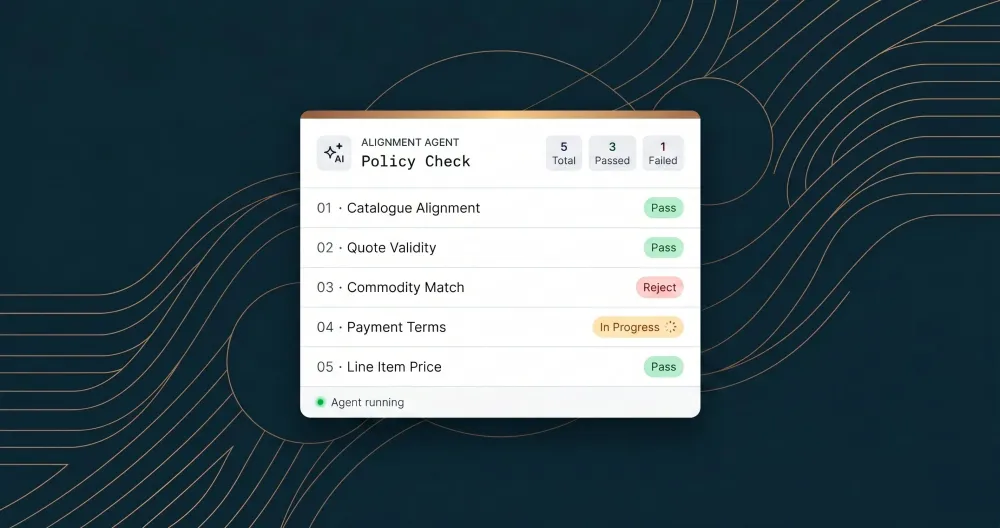
Autonomous negotiations, powered by advanced AI technologies, offer a more efficient and effective alternative to traditional email campaigns. Here’s why they are being used more and more and are thus evolving into the key solution for payment terms optimization:
-
Increased Efficiency and Scalability: Autonomous negotiation systems can handle a large volume of supplier interactions simultaneously, allowing procurement teams to scale their efforts without additional manual work. This efficiency frees up valuable time for strategic decision-making.
-
Personalized and Data-Driven Interactions: Leveraging data analytics, autonomous negotiations can tailor proposals to each supplier’s unique situation. This personalization increases the likelihood of positive, value-generating outcomes, as suppliers are more likely to engage with terms that align with their interests.
-
Real-Time Feedback and Adaptability: Autonomous negotiation systems provide real-time feedback and can adapt offers dynamically based on supplier responses. This responsiveness accelerates the negotiation process, reducing the time needed to reach agreements.
-
Maximized Value and Competitive Advantage: By using data to inform negotiation strategies, autonomous systems help organizations achieve more favorable payment terms together with their suppliers, enhancing cash flow and working capital. This advantage can be critical in maintaining a competitive edge in today’s market.
Avoiding Hidden Costs of Extending Payment Terms
An article from BCG highlights the potential hidden costs associated with simply extending supplier payment terms. While longer payment terms can improve short-term cash flow, they may also damage supplier relationships and lead to increased prices or reduced quality over time. Autonomous negotiations can help balance these considerations by facilitating collaborative discussions that align the interests of both parties, avoiding the pitfalls of extended terms.
Leveraging Spend Analytics for Enhanced Optimization in Real Time
A recent partnership between Sievo and Pactum offers an exciting opportunity to further optimize payment terms through the integration of advanced analytics and autonomous negotiations. Sievo’s expertise in procurement analytics provides deep insights into spending patterns and supplier performance, empowering organizations with the data needed to make informed decisions after being automatically notified about an identified potential for improvement. When combined with Pactum’s autonomous negotiation capabilities, businesses can unlock value in a very efficient and effective way as it enables procurement teams to identify opportunities for renegotiating payment terms and deploy intelligent negotiation strategies tailored to each supplier. By leveraging these two powerful solutions together, organizations can not only enhance their working capital but also strengthen supplier relationships and drive sustainable business growth.
Conclusion
For procurement executives and Chief Financial Officers seeking to improve working capital, the choice is clear. Autonomous negotiations offer a more effective, efficient, and strategic approach to optimizing payment terms with suppliers. By saying goodbye to outdated email campaigns, organizations can leverage technology to drive significant improvements in their procurement processes and achieve a sustainable competitive advantage.
In a world where data-driven decision-making and efficiency are paramount, autonomous negotiations represent the future of supplier relationship management. Embrace this innovative approach to unlock new opportunities for your organization.